
Energy
- Explore your sector
Energy

86.7 bln. kWh
Electricity production in 2025

44.6 bln. m³
Volume of natural gas production in 2025

31 GW
Total installed capacity of hydroelectric power plants

5 bln. kWh
Electricity produced by solar and wind power plants in 2025

42
New energy facilities commissioned in Uzbekistan in 2025 alone
SNAPSHOT OF THE ENERGY SECTOR
Overview
The energy sector is one of the key drivers of Uzbekistan's economic development, undergoing rapid modernization and diversification through large-scale investments in conventional and renewable energy infrastructure. According to the results of 2025, the country generated 86.7 billion kWh of electricity and produced 44.6 billion cubic meters of natural gas, underscoring the sector's critical role in supporting industrial growth, energy security, and sustainable economic development.
Renewable Energy Development
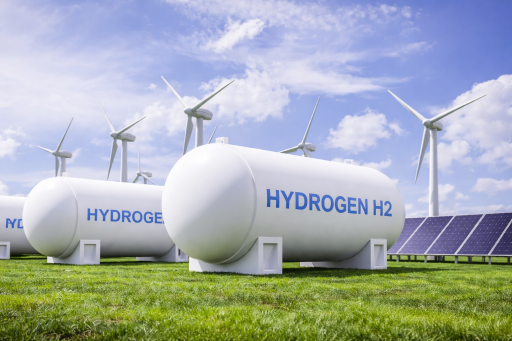
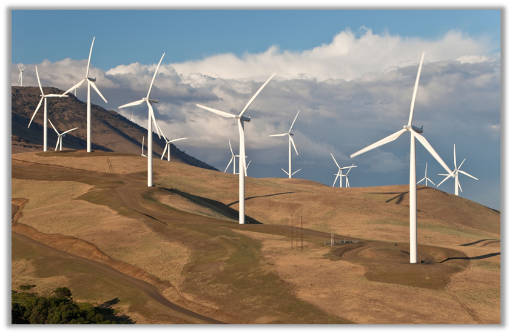
Uzbekistan continues to accelerate the transition toward a diversified and sustainable energy mix, with renewable energy serving as a central pillar of the country's long-term energy strategy. According to the results of 2025, solar and wind power plants generated more than 5 billion kWh of electricity, contributing to lower greenhouse gas emissions, reduced natural gas consumption, and enhanced energy security. Large-scale renewable energy projects continue to expand across the country with the support of international investors and strategic partners.
Hydropower and Infrastructure Modernization
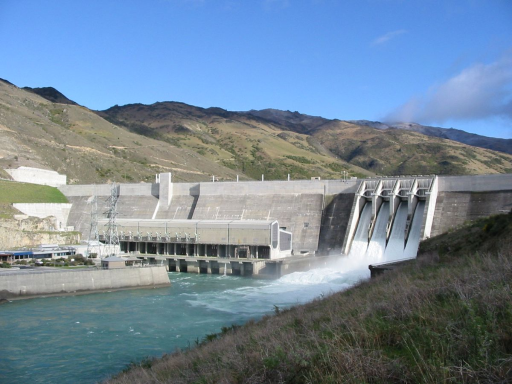
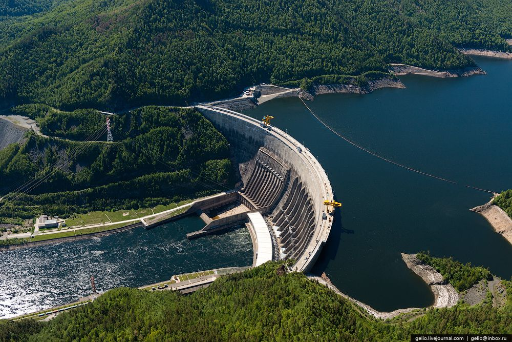
Hydropower remains an important component of Uzbekistan's energy system. In 2025, the country's installed hydropower capacity reached 3.1 GW, while modernization and expansion projects continued to improve operational efficiency and increase electricity generation. During the same year, 42 new energy facilities were commissioned, including solar, wind, thermal power, and electricity transmission infrastructure, strengthening grid reliability and meeting growing domestic and industrial electricity demand.
Investment Opportunities
Uzbekistan offers substantial investment opportunities across the energy value chain, particularly in renewable energy generation, battery energy storage systems, electricity transmission and distribution, and grid modernization. The government's long-term strategy targets more than 20 GW of renewable energy capacity by 2030, supported by the development of large-scale solar and wind projects, hybrid generation facilities, and advanced energy storage technologies. Major renewable energy clusters are being developed in the Republic of Karakalpakstan, Navoi, and other regions with high renewable resource potential.
Energy Market Reforms
Uzbekistan continues implementing comprehensive electricity market reforms aimed at increasing private sector participation and improving operational efficiency. Ongoing modernization of transmission and distribution networks, efforts to reduce technical losses, and the gradual transition toward a competitive wholesale electricity market are creating a more attractive investment environment. Combined with strong government support and international cooperation, these reforms position Uzbekistan as one of the most promising energy investment destinations in Central Asia.
Success stories
Acwa Power
ACWA Power is a leading developer, investor, and operator of power generation and desalinated water production plants. With a presence in more than a dozen countries, ACWA Power is dedicated to delivering electricity and water reliably, efficiently, and sustainably. Its projects are designed to meet the rising demand for clean energy while supporting national decarbonization goals. Guided by a mission to provide “power and water for a better world,” the company combines technological innovation with long-term partnerships to create value for communities and shareholders alike.
Read more
Masdar
Masdar, also known as Abu Dhabi Future Energy Company, is a global leader in renewable energy and sustainable urban development. Established in 2006 and active in more than 40 countries, Masdar develops, invests in, and operates utility-scale solar, wind, and energy storage projects that accelerate the world’s transition to clean energy. Guided by the vision of “For a Sustainable Future,” Masdar combines cutting-edge technology with long-term partnerships to deliver solutions that reduce carbon emissions and create lasting economic value.
Read more
Miahona
Miahona is a prominent Saudi water and wastewater management company specializing in integrated water cycle infrastructure, public-private partnerships, and sustainable water reuse solutions.
Read more
LUKOIL
LUKOIL is one of the largest investors in Uzbekistan’s energy sector, with cumulative investments exceeding $10 billion, including the $3.5 billion Kandym Gas Processing Complex capable of processing 8.1 billion cubic metres of natural gas annually.
Read more
TotalEnergies
TotalEnergies built the €100 million, 100 MW Tutly solar power plant in Samarkand, which generates approximately 270 GWh of clean electricity annually and avoids 160,000 tonnes of carbon emissions.
Read more
Voltalia
Voltalia arranged more than $54 million in financing to build the 126 MW Sarimay Solar Power Plant in the Khorezm Region, designed to produce 252 GWh of green electricity each year.
Read more
Veolia
Veolia operates Tashkent’s district-heating system under a 30-year public-private partnership concession, committing €20 million in direct modernisation works across 1,926 km of pipelines serving 1.2 million residents.
Read more
Aksa Energy
Aksa Energy established 740 MW of gas-fired power generation across Tashkent and Bukhara, subsequently expanding with a $250 million thermal plant in Kashkadarya and a $1 billion grid concession in Samarkand.
Read more
Cengiz Enerji
Cengiz Enerji invested approximately US$150 million to construct and operate a 240 MW combined-cycle thermal power plant generating 1.9 billion kWh annually in the Tashkent Region.
Read more
China National Petroleum Corporation
CNPC co-financed and built the 530 km Uzbek corridor of the Central Asia–China Gas Pipeline via Asia Trans Gas, establishing an annual transport throughput of 55 billion cubic metres.
Read more