

Construction Materials
- Explore your sector
Construction Materials
20,2 million tons
Cement production in 2025

40 million sq. m
Production of construction glass in 2025

47 million sq. m
Production of ceramic tile in 2025

110 million sq. m
Gypsum board production in 2025
.png)
336 thousand tons
Dry construction mixes production in 2025

830 thousand units
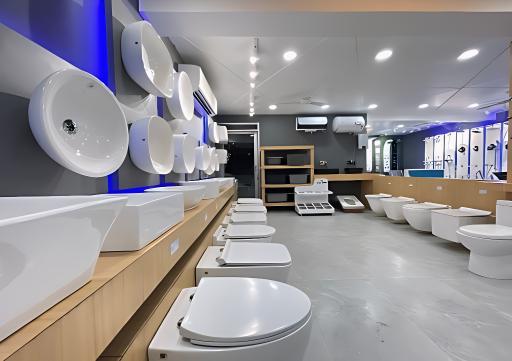
Sanitary ware production in 2025
SNAPSHOT OF THE CONSTRUCTION MATERIALS SECTOR
Overview
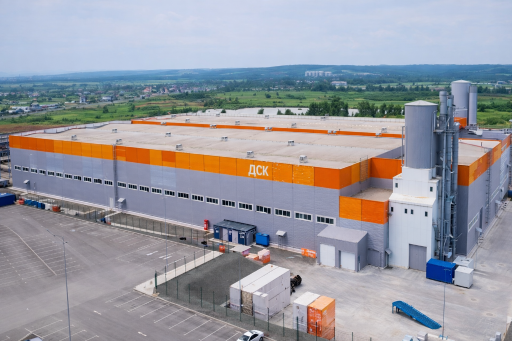
The construction materials industry is one of Uzbekistan's fastest-growing industrial sectors, supported by abundant natural resources, expanding infrastructure development, and rising regional demand. Significant limestone reserves have established cement production as a cornerstone of the industry, while ongoing industrial diversification has expanded the range of domestically manufactured construction materials. According to the results of 2025, the sector continued to attract substantial investment and increase production capacity, strengthening Uzbekistan's position as a regional supplier of construction materials.
Cement Industry Development
According to the results of 2025, cement production reached 21.5 million tons, supported by a network of 42 cement plants with a combined annual production capacity of 40.5 million tons. The industry employs more than 10,000 people and plays a vital role in supporting domestic construction activity and regional exports. In 2025, 353 new investment projects worth USD 1.8 billion were commissioned, contributing to further capacity expansion and technological modernization across the sector.
Regional Production Capacity
Cement production capacity is distributed across several major industrial regions. The Andijan region accounts for 8 plants with a combined annual capacity of 7.02 million tons, while the Tashkent region operates 4 plants capable of producing 6.5 million tons annually. The Fergana region hosts 10 plants with a total capacity of 5.04 million tons, followed by Navoi region with 5.7 million tons, Jizzakh region with 4.7 million tons, and Samarkand region with 3.65 million tons of annual capacity. Additional production facilities in Namangan, Surkhandarya, Kashkadarya, and the Republic of Karakalpakstan further support nationwide supply and export potential.
Diversification of Construction Materials Production
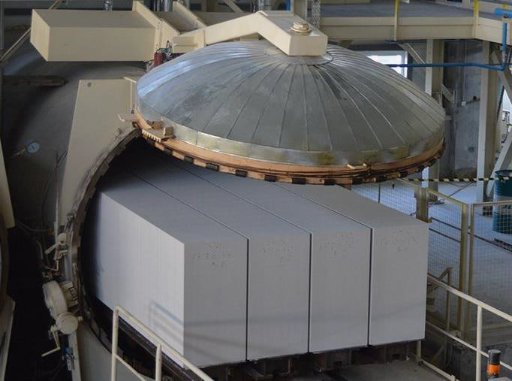
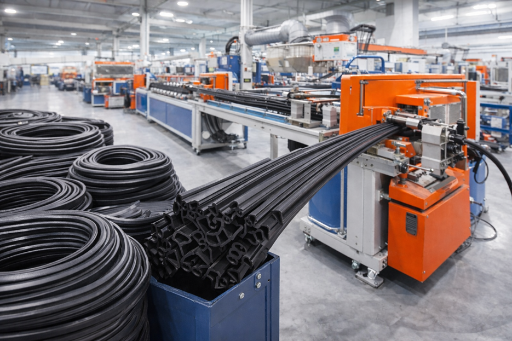
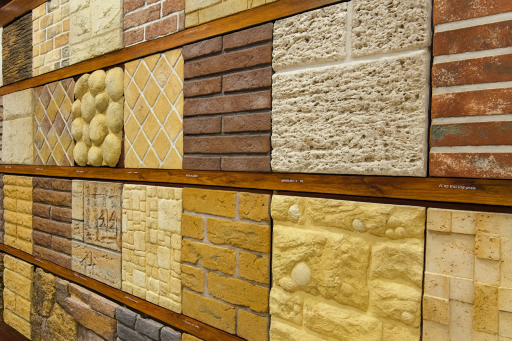
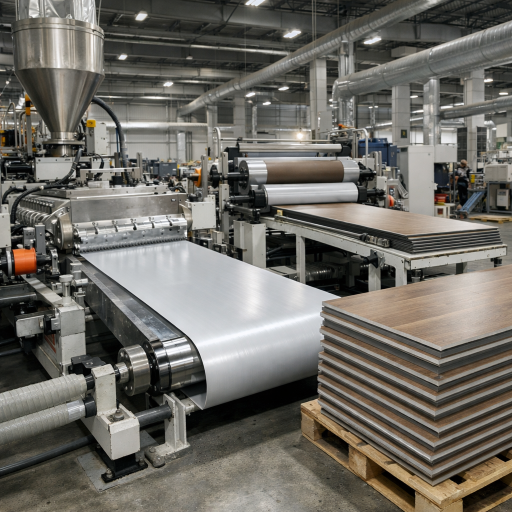
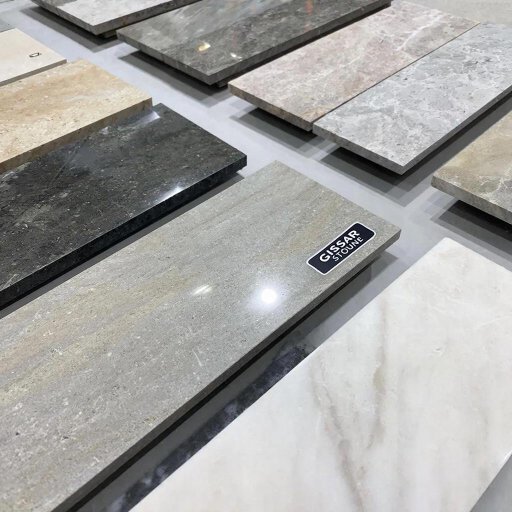
Beyond cement manufacturing, Uzbekistan's construction materials industry continues to diversify into higher value-added products. Domestic manufacturers increasingly produce a broad range of finished construction materials, including granite and marble slabs, glass facades, polycarbonate products, gypsum boards, metal structures, ceramic tiles, and dry construction mixtures. Growing demand from both domestic and export markets is expected to support further expansion in these segments.
Investment and Export Potential
Modern production facilities established in cooperation with international investors, particularly from China, Türkiye, and Russia, have enhanced product quality and international competitiveness. Uzbekistan's strategic location at the center of Central Asia, combined with its extensive rail and road infrastructure and access to regional markets through key logistics corridors, including Termez, supports efficient distribution and export operations. Continued investment in advanced manufacturing technologies and value-added production is expected to further strengthen Uzbekistan's role as a regional hub for construction materials production and exports.
Success stories
Koç Construction
Koç Construction is a major Turkish construction company, founded in 1969, specializing in residential, commercial, and infrastructure projects. The company has been active in Uzbekistan since 2019.
Read more
KNAUF
KNAUF has invested over €68 million across facilities in Bukhara and Fergana, producing tens of millions of square metres of gypsum plasterboard and hundreds of thousands of tonnes of dry building mixes each year.
Read more
Huaxin Cement Jizzakh
Huaxin Cement Jizzakh operates a $150 million greenfield cement manufacturing complex in the Zafarabad district, delivering an annual production capacity of 1.2 million tonnes of high-grade Portland cement.
Read more
China Gezhouba Samarkand Cement
China Gezhouba Group invested over $220 million in Kattakurgan to construct an energy-efficient cement manufacturing complex with an annual production capacity of 2.4 million tonnes.
Read more
Zarafshon Oyna
Zarafshon Oyna operates a $250 million high-tech float glass production complex in the Navoi region, manufacturing up to 16 million square metres of architectural flat glass per year.
Read more
Qizilqumsement
Central Asia’s largest cement enterprise, Qizilqumsement, was privatized by United Cement Group for 1.89 trillion UZS, maintaining an annual manufacturing capacity exceeding 3.5 million tonnes.
Read more
TechnoNICOL Angren
International manufacturer TechnoNICOL invested over $15 million in the Angren FEZ to produce energy-saving thermal insulation boards and polymer waterproofing systems.
Read more
Moderna Ceramic Industries Fergana
Moderna Ceramic Industries Fergana invested over $50 million in the Fergana region to manufacture up to 8 million square metres of porcelain stoneware and ceramic tiles annually.
Read more.png)
Akkermann Cement
Ahangarancement operates a $160 million energy-efficient dry-process plant in the Tashkent region with an annual capacity of 3 million tonnes of cement.
Read more
Basaltium
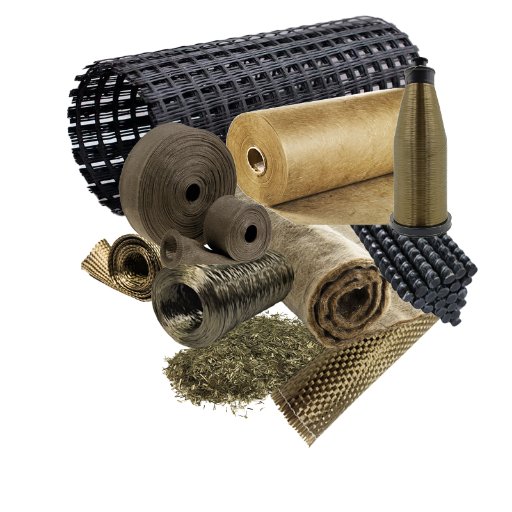
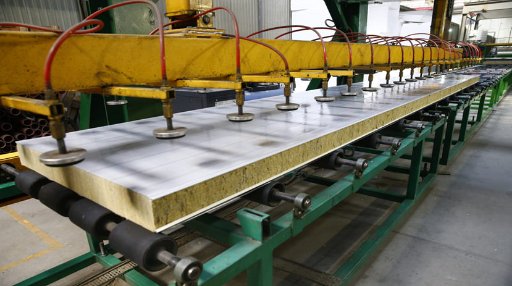
Basaltium operates an advanced mineral insulation manufacturing facility with an annual capacity of 30,000 tonnes of non-combustible basalt wool slabs.
Read more
Orient Ceramic
Orient Ceramic operates an automated production complex in the Tashkent region producing over 3.5 million square metres of ceramic tiles and porcelain stoneware per year.
Read more
Cemix Uzbekistan
Austria’s Lasselsberger Group invested in a modern manufacturing plant in Samarkand to produce European-grade dry construction mixes and micronized calcium carbonate.
Read more







.svg)

.svg)
.svg)